

Sewer Flushing Vehicle
Aoman Automotive Technology (Qingdao) Co.,LTD: Your Professional Sewer Flushing Vehicle Manufacturer!
Aoman Automotive Technology (Qingdao) Co., LTD. is a professional company engaged in the sales and service of specialized vehicles. We are located in Qingdao, Shandong Province, with convenient access to transportation. Our main products include garbage trucks, manure flushing trucks, sewer flushing vehicle, street sweepers, washing and sweeping vehicles, ambulances, and more.
-
 Pipeline Unclogging VehicleThe pipeline unclogging vehicle is a specialized engineering vehicle modified based on a Type II vehicle chassis. Its core technology involves using a high-pressure water jet combined with anAdd to Inquiry
 -
 High-pressure Cleaning VehiclePerformance characteristics The high-pressure cleaning system is equipped with an imported original high-pressure plunger water pump, delivering a maximum pressure of 150 bar. Its auxiliary engine isAdd to Inquiry


Why choose us?
Strong production capacity
With five production lines, our annual production capacity exceeds 10,000 units (sets).
OEM service
We also welcome OEM orders. Whether selecting a current product from our catalog or seeking engineering support for a specific application, you can contact our customer service center to discuss your sourcing needs.
Sales market
Our products are sold throughout all cities and provinces in China and are also exported to clients in regions including Central Asia, Southeast Asia, the Middle East, Africa, Oceania, and South America.
Benefits of Sewer Flushing Vehicle
Improved efficiency
Modern technologies streamline the sewer cleaning process, reducing the time and labor required to maintain sewer systems. This increased efficiency minimizes disruptions to urban areas and ensures that maintenance is performed promptly.
Enhanced safety
Advanced equipment reduces the risks associated with sewer cleaning, including exposure to hazardous materials and physical injury. Technologies such as hydro-excavation and camera systems allow for safer and more precise operations.
Cost savings
Efficient sewer cleaning technologies can lead to long-term cost savings by preventing costly emergencies and reducing the need for extensive repairs. Regular maintenance also extends the lifespan of sewer infrastructure, reducing the need for expensive replacements.
Environmental impact
Technologies like high-pressure water jetting are environmentally friendly, reducing the reliance on harsh chemicals and minimizing the impact on surrounding ecosystems. Cleaner sewers also contribute to better water quality and reduced pollution.
Product Specifications
|
Project name |
Unit |
QTH5030GQX |
|
Boundary dimension [L×W×H] |
mm |
4670x1520x2030 |
|
Chassis model |
|
SC1031GDD51 |
|
Engine model |
|
DK10-05 |
|
Engineer power |
kw |
50 |
|
Assistant engine model |
|
HondaGX390/MitsubshiGM401 |
|
Assistant engine power |
kw |
8.2 |
|
Maximum pressure of water system |
MPa |
15 |
|
Cab configuration |
|
Air conditioner |
|
Maximum vehicle speed |
Km/h |
90 |
|
High pressure cleaning width |
m |
1.5 |
|
Water tank volume |
m3 |
1.5 |
Regular inspection
Perform daily visual inspections of the entire system. Check the water tank for cracks, leaks, or rust. Examine the filtration unit for clogging or damage. Inspect hydraulic lines, fittings, and connections for signs of wear or leakage.
Tire maintenance
Proper tire care enhances safety and fuel efficiency. Regularly check tire pressure according to manufacturer guidelines. Inspect for cuts, bulges, or uneven wear patterns. Rotate tires at recommended intervals and replace them when tread depth falls below safe limits.
Fluid management
Follow the manufacturer's schedule for oil changes (engine, transmission, and hydraulic fluids). Use only approved fluids that meet OEM specifications. Monitor fluid levels regularly and top off as needed to prevent overheating and mechanical stress.
Nozzle and hose care
After each use, flush the hoses thoroughly to remove residual debris and chemicals. Inspect hoses for kinks, abrasions, or weak spots. Replace damaged sections immediately. Clean nozzles carefully to remove any buildup that might restrict water flow or alter jet patterns.
System testing
Periodically test the high-pressure pump under controlled conditions to ensure it reaches rated pressure and flows correctly. Listen for unusual noises or vibrations that may indicate internal wear or misalignment.

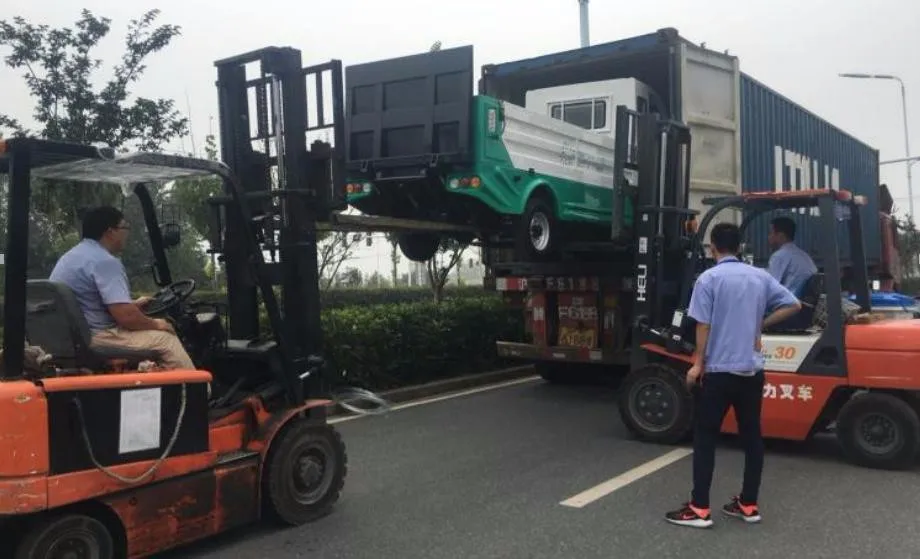
Packaging and Shipping

FAQ
We're well-known as one of the leading sewer flushing vehicle manufacturers and suppliers in China. Please feel free to buy high quality sewer flushing vehicle made in China here from our factory. For customized service, contact us now.
sewer flushing vehicle, High pressure Cleaning Vehicle