

The Purpose of a Water Truck
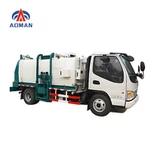
A water truck is a versatile piece of mobile equipment whose core purpose is the efficient transportation and distribution of water. Its functionality extends far beyond simply spraying water onto roads, playing a critical role in urban development, environmental protection, and emergency response.
Key Application Areas
Dust Control and Road Cleaning This is the most visible function. Using high-pressure nozzles, water trucks clean streets by washing away dirt and debris. Simultaneously, they suppress dust by dampening road surfaces, significantly improving urban air quality and sanitation. They are commonly deployed on city streets, highways, and around construction sites.
Landscaping and Irrigation Water trucks act as mobile irrigation units, providing essential water to urban parks, green belts, street trees, and nurseries. Their role is particularly crucial in newly developed areas without fixed irrigation systems or during periods of drought.
Construction Support On construction sites, these trucks supply water for critical processes like concrete curing and soil compaction. In hot weather, they are also used to cool construction materials such as sand, gravel, and asphalt, ensuring project quality and timelines.
Emergency Firefighting and Support Many water trucks are equipped with high-pressure pumps and water monitors, allowing them to serve as initial attack firefighting units or to support professional fire services by providing a mobile water source. Their value is especially pronounced in water-scarce and rural areas.
Other Specialized Uses The water truck is a flexible platform for various tasks. During disease outbreaks, they can be deployed for large-scale disinfection. In winter, some models can spread liquid de-icing agents. Furthermore, they are vital as temporary water haulers in arid regions.
Conclusion
In summary, the water truck has evolved well beyond its basic name, becoming a highly efficient multi-role asset integral to sanitation, environmental care, fire safety, and construction. It is an indispensable utility vehicle and a protective asset in modern urban management and industrial operations.