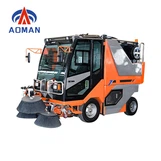

Hey there! As a supplier of sweeping trucks, I often get asked about the ins and outs of these amazing machines. One of the most crucial parts that people are curious about is the steering system. So, let's dive right in and talk about what the steering system of a sweeping truck is all about.
What's a Steering System Anyway?
First things first, the steering system in a sweeping truck is just like the steering system in any other vehicle. It's what allows the driver to control the direction of the truck. You turn the steering wheel, and the truck goes where you want it to go. Simple, right? Well, not exactly. There's a lot more going on under the hood, or in this case, under the chassis.
The main job of the steering system is to translate the driver's input on the steering wheel into movement of the wheels. It has to be precise because sweeping trucks need to be able to navigate through tight spaces, make sharp turns, and follow the curves of the road accurately. This is especially important when you're cleaning up debris on the streets, sidewalks, or parking lots.
Components of a Sweeping Truck Steering System
There are several key components that make up the steering system of a sweeping truck. Let's take a look at each one.


Steering Wheel
This is the part that the driver interacts with directly. When you turn the steering wheel, you're actually applying a torque, or a turning force. The size and shape of the steering wheel can vary depending on the design of the truck and the preferences of the driver. Some steering wheels are larger for more leverage, while others are smaller for a more sporty feel.
Steering Column
The steering column connects the steering wheel to the rest of the steering system. It's like a long shaft that transmits the rotational motion from the steering wheel to the steering gear. Inside the steering column, there are also components like the ignition switch, turn signal switch, and sometimes even controls for the truck's audio system.
Steering Gear
The steering gear is where the magic happens. It takes the rotational motion from the steering column and converts it into linear motion, which is then used to turn the wheels. There are different types of steering gears, but the most common ones in sweeping trucks are the rack - and - pinion and the recirculating ball steering gears.
The rack - and - pinion steering gear is simple and efficient. It consists of a pinion gear (connected to the steering column) and a rack (a long, toothed bar). When the pinion gear rotates, it moves the rack left or right, which in turn moves the tie rods and turns the wheels. This type of steering gear provides good feedback to the driver and is commonly used in smaller to medium - sized sweeping trucks.
The recirculating ball steering gear, on the other hand, is more complex but also more durable. It uses a worm gear and a series of ball bearings to convert the rotational motion into linear motion. This type of steering gear is often found in larger, heavier sweeping trucks because it can handle more load and provides better steering power.
Tie Rods
Tie rods are the link between the steering gear and the steering knuckles (the parts that hold the wheels). They transmit the force from the steering gear to the wheels, causing them to turn. Tie rods need to be strong and durable because they have to withstand a lot of stress and wear and tear. They also need to be properly adjusted to ensure that the wheels are aligned correctly.
Power Steering System
Most modern sweeping trucks are equipped with a power steering system. This system uses hydraulic or electric power to assist the driver in turning the steering wheel. It makes steering easier, especially when the truck is moving slowly or when it's carrying a heavy load.
In a hydraulic power steering system, a pump driven by the truck's engine pressurizes hydraulic fluid. This fluid is then used to assist the movement of the steering gear. Electric power steering systems, on the other hand, use an electric motor to provide the assist. They are more energy - efficient and can be more precisely controlled.
Importance of a Good Steering System in Sweeping Trucks
A well - functioning steering system is crucial for the operation of a sweeping truck. Here's why:
Maneuverability
Sweeping trucks need to be able to maneuver easily in different environments. Whether it's navigating through a narrow alleyway or making a U - turn in a parking lot, a good steering system allows the driver to control the truck precisely. This is essential for efficient cleaning operations, as the truck needs to be able to get close to the edges of the road and around obstacles.
Safety
Safety is always a top priority. A reliable steering system ensures that the driver can respond quickly to unexpected situations on the road. For example, if a pedestrian suddenly steps into the path of the truck, the driver needs to be able to turn the wheels safely and quickly to avoid a collision.
Operator Comfort
Driving a sweeping truck can be a long - term job. A comfortable steering system reduces the amount of effort required from the driver, which in turn reduces fatigue. This is important for maintaining the driver's concentration and overall well - being during long shifts.
Our Sweeping Trucks and Their Steering Systems
At our company, we take pride in providing high - quality sweeping trucks with top - notch steering systems. Our trucks are designed to be easy to operate, whether you're a seasoned professional or a new driver.
We offer a range of Sweeping Vehicles with different steering system configurations to meet the needs of various customers. Whether you need a compact Road Sweeper for urban streets or a heavy - duty Road Sweeping Truck for large highways, we've got you covered.
Our engineers work hard to ensure that the steering systems in our trucks are reliable, durable, and efficient. We use the latest technology and high - quality materials to build these systems, and we also conduct rigorous testing to make sure they meet our strict quality standards.
Maintenance of the Steering System
To keep the steering system of your sweeping truck in good condition, regular maintenance is essential. Here are some tips.
Fluid Checks
If your truck has a hydraulic power steering system, you need to check the power steering fluid level regularly. Low fluid levels can cause the steering to become stiff and can even damage the power steering pump. Make sure to use the recommended type of fluid for your truck.
Alignment Checks
Proper wheel alignment is crucial for the steering system. Misaligned wheels can cause uneven tire wear, poor handling, and increased fuel consumption. Have the wheel alignment checked at least once a year or more frequently if you notice any signs of uneven tire wear or steering problems.
Inspection of Components
Regularly inspect the steering components for signs of wear and tear, such as loose or damaged tie rods, worn steering gears, or leaking power steering hoses. If you notice any problems, have them repaired or replaced immediately to prevent further damage.
Conclusion
The steering system of a sweeping truck is a complex but essential part of the vehicle. It allows the driver to control the direction of the truck, ensuring maneuverability, safety, and operator comfort. At our company, we're committed to providing high - quality sweeping trucks with reliable steering systems.
If you're in the market for a new sweeping truck or want to learn more about our products, we'd love to hear from you. Contact us today to start a conversation about your needs and how we can help you find the perfect sweeping truck for your business.
References
- Automotive Steering Systems: Principles, Design, and Maintenance. A textbook on automotive steering systems that provides in - depth knowledge about the components and operation of steering systems in vehicles.
- Sweeping Truck Manufacturer's Manuals. These manuals from different manufacturers offer specific information about the steering systems in their trucks, including maintenance schedules and troubleshooting guides.