
In the realm of urban maintenance and building upkeep, the question of whether a spraying water truck can be used for cleaning high - rise buildings is an intriguing one. As a supplier of Spraying Water Truck, I've delved deep into this topic, exploring the feasibility, advantages, and limitations of using these trucks for high - rise building cleaning.
The Functionality of Spraying Water Trucks
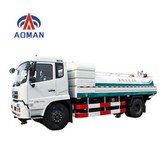
Spraying water trucks are versatile vehicles designed to perform a variety of tasks. They are commonly used for road dust suppression, street cleaning, and watering green areas. These trucks are equipped with large water tanks and powerful spraying systems. The water can be sprayed in different patterns, such as a fine mist or a high - pressure jet, depending on the specific requirements of the task.
The basic components of a spraying water truck include a water tank, a pump, a spraying nozzle, and a control system. The water tank stores the water, which is then pumped through the spraying nozzle. The control system allows the operator to adjust the spraying pattern, pressure, and flow rate. This flexibility makes spraying water trucks suitable for a wide range of applications.
Can Spraying Water Trucks Clean High - Rise Buildings?
The short answer is yes, but with certain limitations. Spraying water trucks can be used to clean the exterior of high - rise buildings to some extent. The high - pressure water jets can remove dirt, dust, and some light stains from the building facades. However, there are several factors that need to be considered.
Height and Reach
One of the main challenges is the height and reach of the spraying water truck. Most spraying water trucks have a limited vertical reach. The maximum height that the water can be sprayed is typically around 10 - 20 meters, depending on the truck's specifications. For very tall high - rise buildings, this may not be sufficient to reach the upper floors.
Water Pressure and Cleaning Power
The water pressure of the spraying water truck is another crucial factor. While the high - pressure jets can effectively clean the lower floors of a building, the pressure may decrease as the water is sprayed to higher heights. This can result in less effective cleaning on the upper floors. Additionally, some stubborn stains may require a more powerful cleaning agent or a different cleaning method.
Safety Considerations
Using a spraying water truck to clean high - rise buildings also raises safety concerns. The high - pressure water jets can pose a risk to pedestrians and vehicles on the ground. There is also a risk of water splashing onto neighboring buildings or causing damage to the building's windows and other fixtures. Proper safety measures need to be in place, such as setting up barriers and warning signs, to ensure the safety of everyone involved.
Advantages of Using Spraying Water Trucks for High - Rise Building Cleaning
Despite the limitations, there are several advantages to using spraying water trucks for high - rise building cleaning.
Cost - Effectiveness
Spraying water trucks are relatively cost - effective compared to other high - rise building cleaning methods. They require less equipment and labor, which can result in significant cost savings. Additionally, the water used in the trucks is a natural and environmentally friendly cleaning agent.
Efficiency
Spraying water trucks can cover a large area quickly. They can clean multiple floors of a building in a relatively short period of time, especially when compared to manual cleaning methods. This can be particularly beneficial for large - scale cleaning projects.


Versatility
As mentioned earlier, spraying water trucks are versatile vehicles. They can be used for other tasks, such as road cleaning and dust suppression, when not being used for high - rise building cleaning. This makes them a valuable asset for urban maintenance companies.
Limitations and Alternatives
While spraying water trucks have their advantages, there are situations where they may not be the best option for high - rise building cleaning.
Stubborn Stains
For stubborn stains, such as graffiti or oil stains, spraying water trucks may not be sufficient. In these cases, specialized cleaning agents or equipment may be required. For example, some high - rise buildings may use window - cleaning robots or abseiling teams to clean the exterior.
Building Design
The design of the building can also affect the effectiveness of using a spraying water truck. Buildings with complex facades or deep recesses may be difficult to clean using a water truck. In these cases, a more targeted cleaning method may be necessary.
The Role of Technology in Improving Spraying Water Truck Performance
Advancements in technology are constantly improving the performance of spraying water trucks. For example, some modern spraying water trucks are equipped with advanced pumping systems that can provide higher water pressure and better reach. There are also new spraying nozzles that can create more precise and powerful water jets.
In addition, the use of drones in combination with spraying water trucks is an emerging trend. Drones can be used to assess the cleaning needs of a high - rise building and to guide the spraying water truck to the areas that need to be cleaned. This can improve the efficiency and effectiveness of the cleaning process.
Conclusion and Call to Action
In conclusion, while spraying water trucks can be used for cleaning high - rise buildings, they have their limitations. However, with the right technology and safety measures in place, they can be a cost - effective and efficient option for certain types of cleaning tasks.
If you are interested in exploring the use of Spray Water Tanker Truck or Sprinkler Truck for high - rise building cleaning or other applications, we invite you to contact us for a detailed discussion. Our team of experts can provide you with the information and solutions you need to make the best decision for your cleaning needs.
References
- "High - Rise Building Maintenance and Cleaning: Best Practices", Journal of Urban Maintenance, 2022.
- "The Future of Spraying Water Trucks in Urban Cleaning", International Journal of Environmental Science and Technology, 2023.