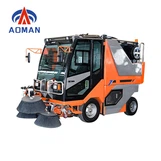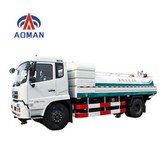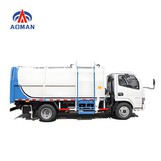

When it comes to the operation of vacuum trucks, one of the most critical aspects that operators and potential buyers often consider is fuel consumption. As a seasoned vacuum truck supplier, I've witnessed firsthand the significance of understanding and managing fuel consumption rates. In this blog, I'll delve into the factors that influence the fuel consumption of vacuum trucks, provide insights into typical consumption rates, and offer tips on how to optimize fuel efficiency.
Factors Influencing Fuel Consumption
Vehicle Size and Capacity
The size and capacity of a vacuum truck play a substantial role in determining its fuel consumption. Larger trucks with greater tank capacities generally require more power to operate, which in turn leads to higher fuel consumption. For instance, a heavy - duty Cleaning and Sewage Suction Truck designed for large - scale industrial cleaning or sewage disposal will have a larger engine and more components to power compared to a smaller, lightweight model. The increased weight and volume of the larger truck mean that the engine has to work harder to move the vehicle, resulting in increased fuel usage.
Engine Type and Technology
The type of engine installed in a vacuum truck is another crucial factor. Diesel engines are commonly used in vacuum trucks due to their durability and torque, but they can vary significantly in terms of fuel efficiency. Newer engine technologies, such as those with advanced fuel injection systems and turbocharging, are designed to deliver better fuel economy. For example, engines with direct injection can precisely control the amount of fuel injected into the combustion chamber, resulting in more efficient combustion and reduced fuel consumption. On the other hand, older engines without these advanced features may consume more fuel to produce the same amount of power.
Operating Conditions
The conditions under which a vacuum truck operates can have a profound impact on fuel consumption. Trucks that are frequently used in stop - and - go traffic, such as those in urban areas, will consume more fuel than those operating on open highways. In stop - and - go situations, the engine has to constantly start and stop, which is less fuel - efficient than maintaining a steady speed. Additionally, operating on hilly or rough terrain requires more power from the engine, leading to increased fuel usage. For example, a Vacuum Cleaner Truck used for street cleaning in a mountainous city will likely have a higher fuel consumption rate compared to one used on flat, straight roads.
Load and Usage Patterns
The amount of material being carried by the vacuum truck and how often the vacuum system is in use also affect fuel consumption. A fully loaded truck will require more energy to move than an empty one, and the constant operation of the vacuum pump can put additional strain on the engine. If a truck is used for continuous suction operations, such as in a large - scale industrial cleaning project, the engine has to work harder to power the vacuum system, resulting in higher fuel consumption. Conversely, trucks that are used intermittently or with lighter loads will generally consume less fuel.
Typical Fuel Consumption Rates
It's challenging to provide a one - size - fits - all figure for the fuel consumption rates of vacuum trucks, as they can vary widely depending on the factors mentioned above. However, I can offer some general guidelines based on my experience in the industry.
Small - to - medium - sized vacuum trucks with a tank capacity of around 1,000 - 3,000 liters and a relatively standard engine may consume between 15 - 25 liters of diesel per hour when the vacuum system is in operation. These trucks are often used for light - duty applications such as small - scale sewage cleanup or minor industrial waste removal.


Medium - to - large - sized vacuum trucks with tank capacities ranging from 3,000 - 6,000 liters typically have a fuel consumption rate of 25 - 40 liters per hour during operation. These trucks are more commonly used for larger - scale projects, such as municipal sewage management or major industrial cleaning jobs.
Heavy - duty vacuum trucks with tank capacities exceeding 6,000 liters can consume upwards of 40 liters of diesel per hour when the vacuum system is running. These trucks are designed for the most demanding applications, such as large - scale oil spill cleanup or deep - well sewage pumping.
It's important to note that these are approximate rates, and actual consumption can be higher or lower depending on the specific vehicle, operating conditions, and load.
Tips for Optimizing Fuel Efficiency
Regular Maintenance
One of the most effective ways to improve fuel efficiency is to ensure that the vacuum truck is well - maintained. Regular oil changes, air filter replacements, and engine tune - ups can keep the engine running smoothly and efficiently. A clogged air filter, for example, can restrict air flow to the engine, causing it to work harder and consume more fuel. By keeping the engine in top condition, operators can reduce fuel consumption and extend the lifespan of the vehicle.
Proper Driving Techniques
The way a driver operates the vacuum truck can also have a significant impact on fuel efficiency. Encouraging drivers to avoid rapid acceleration and hard braking can save a considerable amount of fuel. Maintaining a steady speed on the highway and using cruise control when appropriate can also improve fuel economy. Additionally, reducing idling time can prevent unnecessary fuel consumption. For example, if the truck is going to be stationary for more than a few minutes, it's better to turn off the engine.
Load Management
Proper load management is crucial for optimizing fuel efficiency. Avoid overloading the truck, as this will increase the strain on the engine and lead to higher fuel consumption. Plan routes and jobs in a way that minimizes the distance traveled and maximizes the use of the truck's capacity. For example, instead of making multiple trips with a partially loaded truck, try to consolidate jobs and fill the tank to its optimal capacity.
Conclusion
Understanding the fuel consumption rates of vacuum trucks is essential for both operators and potential buyers. By considering the factors that influence fuel consumption, such as vehicle size, engine type, operating conditions, and load, operators can make informed decisions about how to manage and reduce fuel costs. As a vacuum truck supplier, I'm committed to providing high - quality vehicles that are not only reliable but also fuel - efficient.
If you're in the market for a vacuum truck or looking to optimize the fuel efficiency of your existing fleet, I invite you to reach out to me for more information and to discuss your specific needs. Our team of experts is ready to assist you in finding the perfect vacuum truck solution that meets your requirements while keeping fuel costs in check.
References
- "Commercial Vehicle Fuel Efficiency: Best Practices Guide." U.S. Department of Energy.
- "Fuel Consumption and Emissions of Heavy - Duty Vehicles." Society of Automotive Engineers.