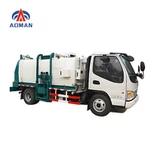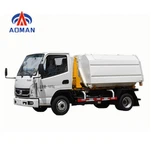


The lifespan of a garbage compactor truck has no fixed standard, being shaped by four core factors: core configuration, usage intensity, maintenance standards, and operating environment. In practice, its service life ranges from 8 to 15 years, with variations based on these factors.
Core Configuration: The Foundation of Longevity
The vehicle chassis and compression system are critical:
Premium options (e.g., dedicated sanitation chassis from Dongfeng, Foton, or Sinotruk; compression chambers made of high-strength steel like Q690 or NM450; and hydraulic parts from Bosch Rexroth or Parker) resist wear, corrosion, and pressure. Such trucks often reach the 12–15 year upper range.
Low-cost models (ordinary carbon steel chambers, non-branded hydraulics) degrade faster: the steel may rust through in 3–5 years, and hydraulic systems may suffer frequent failures, shortening lifespan to 8–10 years.
Usage Intensity: The Primary Wear Factor
Usage frequency and workload create clear lifespan divides:
Municipal sanitation: Trucks operate 6–8 hours/day (6–7 days/week), collecting 15–30 tons of garbage daily (often high in wet or corrosive waste). The compression system cycles dozens of times hourly, leading to rapid wear. Lifespan: 8–12 years (major overhauls may be needed after 6–7 years).
Smaller users (e.g., property management, townships): Operate 2–3 days/week, collecting 5–10 tons/day (typically drier, less corrosive waste). Slower degradation extends lifespan to 12–15 years; well-maintained units may exceed 15 years.
Maintenance: Proactive Lifespan Extension
Rigorous maintenance offsets wear. Key practices include:
Routine care: Timely oil/filter changes, lubrication, and post-use chamber cleaning (e.g., hydraulic oil replacement every 2,000 hours) can reduce corrosion/abrasion by 30–40%.
Targeted inspections: Checking for cracks/rust in chambers, hydraulic pressure testing, and chassis corrosion protection help catch issues early. Neglect (e.g., delayed oil changes) can halve lifespan-a potential 12-year lifespan may drop to 6–8 years.
Operating Environment: Additional Wear
Harsh environments can shorten lifespan by 1–3 years compared to mild settings:
Corrosive areas (coastal regions, chemical waste zones): Salt spray and leachate accelerate chassis/chamber rust.
Extreme temperatures (below -20°C or above 40°C): Thickens hydraulic oil (in cold) or degrades oil/seals (in heat).
Rough roads (unpaved, rural areas): Excessive vibration causes loose bolts, frame deformation, and tire/axle wear.