
As a supplier of spraying water trucks, I've witnessed firsthand the increasing interest in these vehicles, not just for their practical uses but also for their environmental benefits. In this blog, I'll delve into the various ways using a spraying water truck can contribute positively to the environment.
Dust Suppression
One of the most significant environmental benefits of spraying water trucks is dust suppression. In construction sites, mining operations, and unpaved roads, large amounts of dust are generated daily. This dust can be a significant source of air pollution, containing harmful particulate matter (PM) such as PM10 and PM2.5. These fine particles can be inhaled deep into the lungs, causing respiratory problems, heart disease, and other health issues. By using a Spraying Water Truck to spray water over these areas, the dust particles are wetted and become too heavy to remain airborne. This reduces the amount of dust in the air, improving air quality for workers and nearby communities.
For example, in a large - scale construction project, the continuous operation of heavy machinery and the movement of construction materials can kick up a substantial amount of dust. A spraying water truck can be deployed at regular intervals to keep the dust under control. According to a study by the Environmental Protection Agency, effective dust suppression measures can reduce PM10 emissions by up to 80% at construction sites. This not only protects the environment but also helps construction companies comply with environmental regulations.


Temperature Regulation
Spraying water trucks can also play a role in temperature regulation, especially in urban areas. The urban heat island effect is a well - documented phenomenon where cities are significantly warmer than their surrounding rural areas. This is due to factors such as the large amount of concrete and asphalt, which absorb and retain heat, and the lack of vegetation.
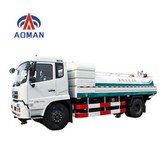
A Spray Water Tanker Truck can be used to spray water on streets, sidewalks, and open areas in cities. When the water evaporates, it cools the surrounding air. This can help reduce the overall temperature in urban areas, making them more comfortable for residents and reducing the demand for air - conditioning. According to research, a single spraying water truck operation can lower the temperature in a small urban area by a few degrees Celsius. This not only saves energy but also reduces greenhouse gas emissions associated with air - conditioning use.
Vegetation and Soil Moisture
In agricultural areas and parks, spraying water trucks are invaluable for maintaining soil moisture and watering vegetation. Adequate soil moisture is essential for plant growth. By using a Spraying Truck to evenly distribute water over large areas, farmers can ensure that their crops receive the right amount of water at the right time. This reduces water waste compared to traditional irrigation methods, such as flood irrigation, where a large amount of water may be lost through runoff or evaporation.
In parks and green spaces, spraying water trucks can help keep the grass and plants healthy, especially during dry seasons. This not only enhances the aesthetic appeal of these areas but also provides habitat for wildlife. Additionally, healthy vegetation helps absorb carbon dioxide from the atmosphere, contributing to the fight against climate change.
Fire Prevention
Spraying water trucks are also important for fire prevention, especially in areas prone to wildfires. They can be used to create fire - breaks by wetting the vegetation along the edges of forests or other fire - prone areas. This reduces the likelihood of a fire spreading by removing the dry fuel that fires need to burn.
In urban areas, spraying water trucks can be used to wet buildings and surrounding areas during a fire. This helps prevent the fire from spreading to neighboring structures, reducing property damage and the environmental impact of large - scale fires. According to fire departments, the use of spraying water trucks in fire prevention and suppression can significantly reduce the area affected by wildfires.
Water Recycling
Many modern spraying water trucks are designed to be compatible with water recycling systems. These systems can collect and treat water from various sources, such as rainwater or wastewater, and reuse it in the spraying process. This reduces the demand for fresh water, which is a precious resource.
For example, in some industrial areas, the water used in the spraying process can be collected, treated to remove contaminants, and then reused. This not only conserves water but also reduces the amount of wastewater that needs to be treated and discharged into the environment.
Noise Reduction
Although not as well - known as the other benefits, spraying water trucks can also contribute to noise reduction. The spraying of water can act as a sound - absorbing medium. In areas where there is a lot of machinery noise, such as construction sites or industrial areas, the water spray can help dampen the sound waves, reducing the overall noise level. This is beneficial for workers' health and also for the well - being of nearby residents.
In conclusion, the environmental benefits of using a spraying water truck are numerous and significant. From dust suppression and temperature regulation to vegetation care and fire prevention, these vehicles play a crucial role in protecting the environment. As a supplier of spraying water trucks, I'm proud to offer products that not only meet the practical needs of our customers but also contribute to a more sustainable future.
If you're interested in learning more about our spraying water trucks or are considering a purchase, I encourage you to reach out to us for a detailed discussion. We can provide you with information on the different models, features, and how they can best meet your environmental and operational requirements. Let's work together to make a positive impact on the environment.
References
- Environmental Protection Agency. (Year). Dust suppression guidelines for construction sites.
- Urban Heat Island Research Center. (Year). Mitigation strategies for urban heat islands.
- Fire Department Reports. (Year). Effectiveness of spraying water trucks in wildfire prevention.